

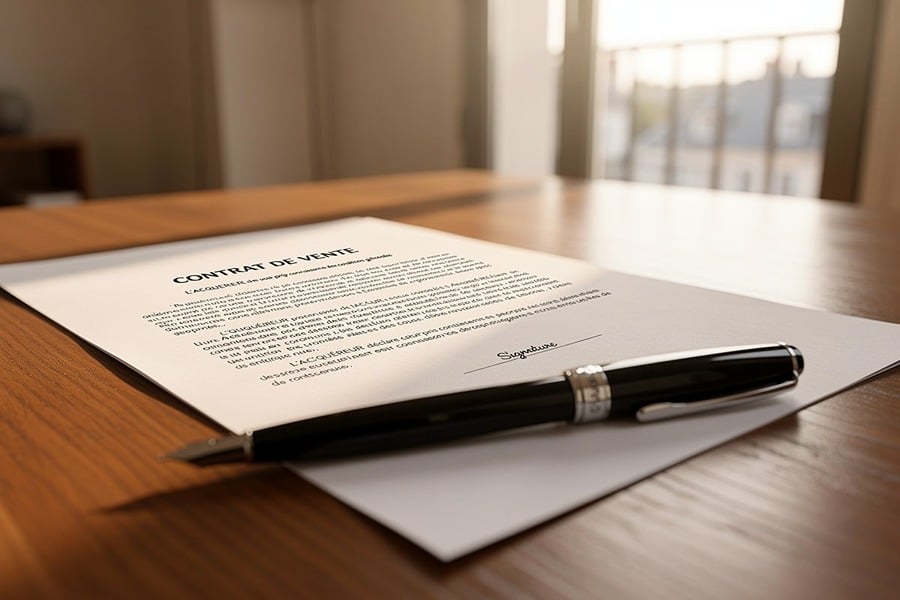
Buying an apartment may well be the most important financial and life-defining decision you ever make. And while the mind tends to fixate on layouts, floor space and location, it is by digging into the fine print of the process and hunting down "hidden defects" that you draw the line between a dream home and a financial nightmare.
To avoid the trap of rushing in—or the risk of being taken advantage of—this practical guide lays out 10 essential questions to ask the seller or property developer before you sign a single official document.
The Property's Eligibility and Legal Status
1. Is the property's legal status fully in order?
Before you even discuss the price, confirm the existence of the apartment's own land title (titre foncier), and ask whether the property is mortgaged to a bank or subject to any legal dispute.
Bear in mind that requesting a recent certificate of ownership can save you from wandering into complex legal mazes.
2. Is the apartment eligible for government housing support programmes?
If you are counting on government support schemes (such as direct housing aid), ask right away: Does the apartment meet the required conditions (occupancy permit, registration, number of rooms, and so on)?
Failing to check beforehand could deprive you of significant sums you had factored into your budget.
Hidden Costs and Financial Commitments
3. How much are the syndic and co-ownership fees?
Living in a building means sharing spaces and services. Ask about:
● the monthly or annual charges of the co-owners' association (the syndic);
● how diligently the other residents keep up with their payments;
● any outstanding debts the building may owe to maintenance companies or water and electricity providers.
4. What is the total additional cost to complete the purchase?
The advertised price is not the final figure! Ask the notary or the property adviser about the ancillary costs: registration and land-registry fees, notary fees, applicable taxes and brokerage commissions. These charges can add between 7% and 10% to the original price.
Quality and Technical Defects
Don't settle for a single daytime visit; view the property at different times (including the evening and during rush hour) to gauge the quality of both light and sound insulation and the rhythm of life in the neighborhood.
5. What condition are the plumbing, wiring and soundproofing in?
Find out the age of the interior fittings. Ask about any past water leaks that could cause damp, the quality of soundproofing between apartments, and water pressure on the upper floors. Fixing these problems after moving in can cost you a considerable amount of money.
6. Is the parking space (garage) registered on the title deed?
In many developments, the parking details are quietly glossed over. Ask: is the space allotted to your car private property registered on the land title, or is it a common area governed by the "first come, first served" rule?
Surroundings and Investment Value
7. Why is the owner deciding to sell the property? (in the case of a second-hand property)
Asking why the owner is selling can reveal undisclosed facts: disputes with neighbors, drawbacks in the area (such as a major development planned nearby), or the owner's need for cash, all of which give you greater leverage when negotiating the price.
8. What are the neighborhood's future urban development plans?
Check whether the area is set to benefit from development projects (transport lines, parks, schools) that would raise the property's value, or whether future projects could block your light and ventilation or worsen traffic congestion.
9. How can you assess the neighborhood's level of safety and services?
Ask about proximity to schools, shops, transport links, and health centers. It is also wise to ask a few local residents about how safe and quiet the area is at night.
10. What is the future potential for reselling or renting out the apartment?
Even if you are looking for a permanent home, think like an investor: is the area in demand for rentals? Does the building have a lift and security? These factors help protect your investment and make reselling or renting out the property easier should your circumstances change.
The Bottom Line
Buying an apartment is not merely paying for four walls; it is an investment in your comfort and your financial and personal stability. Asking the right questions at the right time and seeking the advice of professionals (notaries and property experts) can help you avoid common mistakes and ensure a successful and secure purchase.
Share your view: Which question do you believe matters most when choosing your future apartment? Tell us about your experience.
Written by