

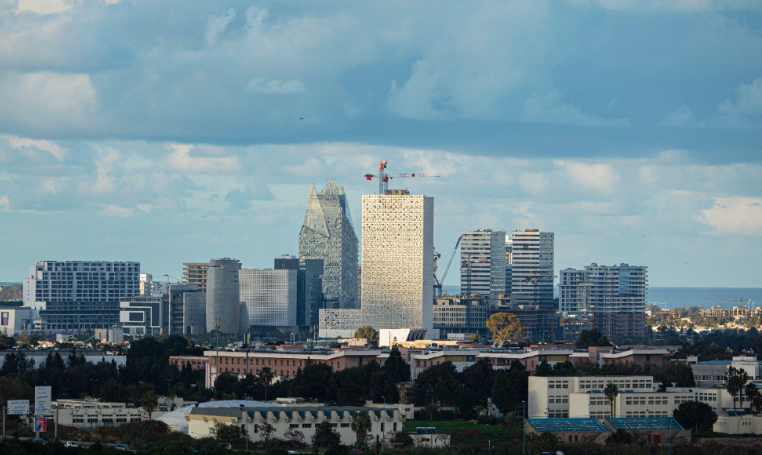
Casablanca remains the main center of real estate demand in Morocco, both for buying and renting. While the market is segmented according to income, use, and ambition (primary residence or investment), several neighborhoods clearly stand out as the most sought after by buyers and renters.
An examination of the dynamics by zone provides insight into where real estate opportunities are currently concentrated in the city. The year 2025 ended with a clear observation: in Casablanca, real estate demand is undergoing a profound transformation.
Official transaction statistics, cross-referenced with data from real estate platforms and market analyses, show that purchase and rental intentions are now concentrated in a limited number of neighborhoods, to the detriment of other historically attractive areas.
This change is not simply a temporary trend, but the result of clearly identified economic constraints, particularly price levels, access to financing, and proximity to employment centers.
In a city marked by strong socio-spatial disparities, households are increasingly weighing up location, size, and budget. Investors, meanwhile, favor areas that offer liquidity, sustained rental demand, and potential for appreciation. Based on trends observed throughout 2025, we can identify precisely where real estate searches are currently concentrated in Casablanca, whether for purchase or rent, and what this mapping tells us about changes in the urban market.
Purchase demand focused on certain strategic neighborhoods
In Casablanca, buyer interest remains highly concentrated in specific areas that combine accessibility, infrastructure, and potential for appreciation. According to available data, Sidi Maârouf accounts for nearly 10.5% of real estate searches, making it one of the most attractive areas for primary residences or residential investment. Likewise, Casablanca Finance City (CFC) accounts for around 7% of search intentions, benefited by its strategic location.
Racine, a central and well-connected neighborhood, also attracts nearly 6% of potential buyers looking for modern, well-located apartments. These patterns show a classic dilemma: buyers want proximity to services, accessibility, and potential for appreciation, but often run into high prices.
In most of these neighborhoods, two- and three-bedroom apartments dominate the market, designed to meet the needs of families and executives. In terms of prices, neighborhoods such as Anfa, Ain Diab, and Gauthier continue to be in the premium category, with more expensive properties.
Where is rental demand concentrated in Casablanca?
Rental demand in Casablanca remains particularly strong in 2025, driven by young professionals, executives, and expatriates who are not always able to buy property. Central neighborhoods such as Maarif, Gauthier, and Racine stand out as the areas with the highest rental demand, given their proximity to employment centers, urban services, and public transportation.
These areas often offer medium-sized apartments that are suitable for a variety of rental profiles: young professionals, small families, and international workers.
Demand for rentals is also fueled by the high cost of home ownership in certain premium areas, pushing a significant portion of the population to favor rental solutions, particularly for long-term stays.
At the same time, strong rental yields of roughly 4 percent to 6 percent in Casablanca continue to attract investors looking for steady income instead of making an immediate purchase.
Neighborhood prices and profiles: what drives searches
Real estate prices in Casablanca in 2025 vary greatly depending on the neighborhood, directly influencing where buyers and tenants choose to look.
In upscale areas such as Anfa, Ain Diab, and Casablanca Finance City, higher prices per square metre reflect sustained demand from affluent buyers and investors seeking rental or capital returns.
On the other hand, neighborhoods such as Sidi Maârouf, Maarif, and Gauthier offer slightly more affordable prices while remaining attractive in terms of infrastructure and urban life.
These price differences partly explain why some buyers now favor developing or well-served neighborhoods, while others opt for more central areas despite the higher costs.
For example, according to recent data, prices can reach between MAD 15,000 and MAD 22,000 per square meter in highly sought-after neighborhoods, while prices in other areas on the outskirts are more moderate. This price segmentation is a key factor that shapes real estate searches in Casablanca, both for rental and purchase.
Outlook for 2026: between dynamic segments and access constraints
Looking ahead to 2026, real estate trends in Casablanca show an evolving market, with strong pressure on well-located areas and persistent demand for both buying and renting. While premium neighborhoods continue to attract investors and high-end buyers, developing areas such as Sidi Maârouf and La Colline remain prime targets for first-time buyers and families.
Rental demand, meanwhile, is expected to remain strong, especially near employment centers and transportation hubs, given the current preference for renting among young professionals and expatriates.
This market configuration highlights an important reality: Casablanca is no longer just one real estate transaction center among many, but a mosaic of micro-markets where the preferences of households and investors vary depending on the neighborhood and financial capacity.